
Spring 2026 has brought an unexpected reality check to homeowners planning bathroom renovations across Ontario: projects that once took four weeks now stretch to eight, and budgets that seemed comfortable are ending up 30-40% over initial estimates. The delays and cost overruns aren’t isolated incidents — they’re industry-wide patterns driven by material shortages, labor constraints, and a fundamental shift in what constitutes a “standard” bathroom renovation.
The complexity increase is measurable. According to reporting from Wolseley Canada, homeowners are becoming much more intentional about how their spaces function day-to-day, balancing aesthetics with lifestyle, wellness and long-term performance. That intentionality translates into project scope creep that contractors say is now the norm rather than the exception.
What starts as a straightforward vanity replacement evolves into reconfigured plumbing, upgraded lighting, waterproofing improvements, and smart technology integration — all of which add weeks to timelines and thousands to costs.
The labor shortage is particularly acute for specialized trades. Finding qualified tile setters, plumbers who can handle modern fixture installations, and electricians experienced with bathroom-specific code requirements is harder than it’s been in decades. Contractors report that skilled workers can name their price and choose their projects, which means homeowners in competitive markets like London and Kitchener are often waiting months just to get on a contractor’s schedule.
For projects involving bathroom vanity design London Ontario, the supply chain challenges extend beyond basic cabinetry into the fixtures and fittings that complete the space. Custom vanity orders that once shipped in 6-8 weeks are now quoted at 12-16 weeks, and those timelines frequently slip further due to manufacturing delays. Homeowners who choose semi-custom or fully custom pieces need to build significant buffer time into their renovation schedules or risk having finished walls and floors sitting empty while waiting for the centerpiece vanity to arrive.
Material costs remain volatile, with pricing for everything from tile to plumbing fixtures fluctuating monthly. Contractors are increasingly reluctant to provide fixed-price bids for projects scheduled months out, instead offering estimates with escalation clauses that protect them against cost increases between proposal and installation. That uncertainty makes budgeting difficult for homeowners who need firm numbers before committing to projects.
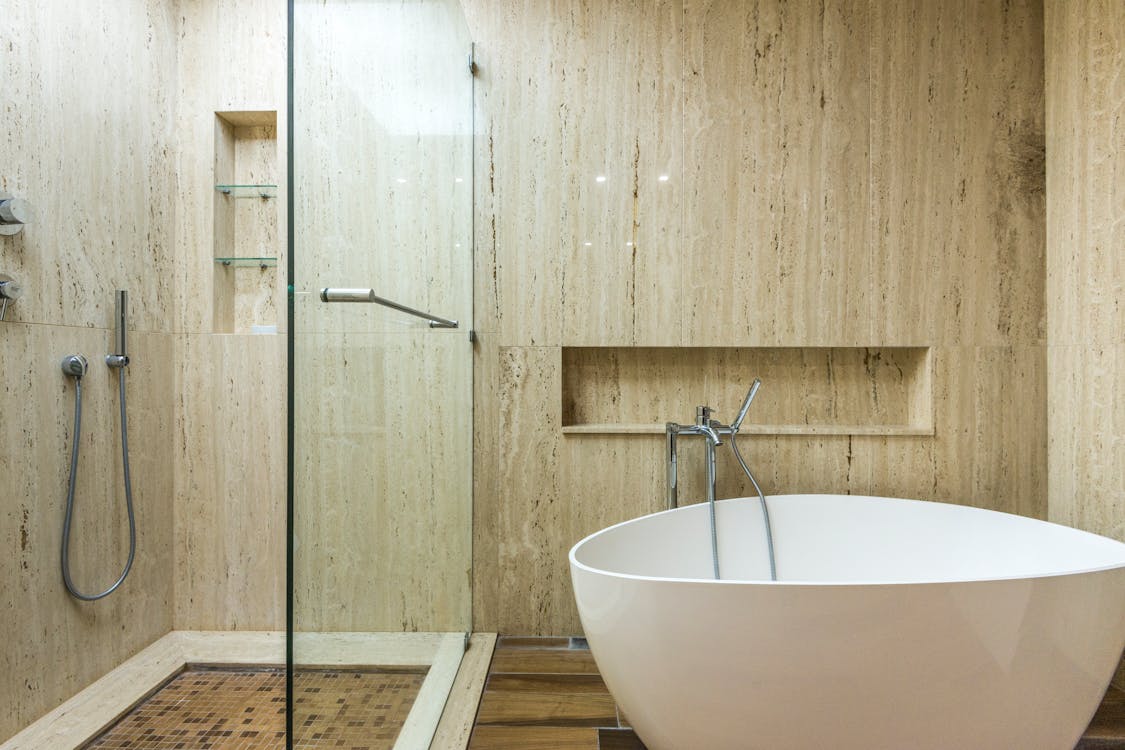
The wellness trend driving bathroom design in 2026 is also adding cost and complexity. Heated floors, steam shower systems, chromatherapy lighting, and spa-grade ventilation aren’t just luxury upgrades anymore — they’re baseline expectations for mid-range renovations. Each of those features requires specialized installation expertise and adds days to the construction timeline, but homeowners see them as essential rather than optional. The gap between what constitutes a “basic” renovation today versus five years ago has widened dramatically.
Code compliance is another factor lengthening timelines. Ontario’s updated building regulations include stricter waterproofing requirements, ventilation standards, and electrical safety provisions that weren’t as rigorously enforced in previous years. Contractors need to allocate time for inspections at multiple project stages, and failed inspections can halt work entirely until corrections are made and re-inspections scheduled. That regulatory framework is necessary for long-term safety and quality, but it slows down projects that once proceeded with minimal oversight.
Some homeowners are responding to extended timelines by staging renovations over multiple phases rather than attempting complete overhauls. A phased approach might tackle the shower and toilet area first, then return months later for vanity and lighting upgrades. That strategy spreads costs over time and reduces the duration that the bathroom is out of commission during each phase, but it requires living with a partially renovated space for extended periods and often ends up costing more overall due to repeated mobilization and setup.
The permit process itself has become more time-consuming. Municipal building departments in larger Ontario cities are backlogged, with routine permit applications taking 4-6 weeks for approval when they once cleared in 7-10 days. Contractors can’t break ground until permits are in hand, which means timeline delays start accumulating before any actual work begins. For homeowners on tight schedules — planning renovations around family events, home sales, or seasonal factors — those permitting delays can derail entire project timelines.
Looking ahead, there’s little indication that bathroom renovation timelines will compress back to pre-2024 norms. The factors driving current delays — labor shortages, supply chain fragility, increased complexity, and stricter code enforcement — aren’t temporary disruptions. They’re structural changes in how residential construction operates, and they’re likely to persist for years. Homeowners planning bathroom upgrades need to adjust expectations accordingly, budgeting both more money and more time than historical precedents would suggest.
The practical advice from contractors is consistent: start planning earlier, build generous contingency buffers into both budget and schedule, and be prepared for project scope to expand once demolition reveals hidden issues. Bathroom renovations in 2026 aren’t the straightforward, predictable projects they were a decade ago. They’re complex, expensive, and time-intensive undertakings that require patience, flexibility, and realistic expectations from everyone involved.