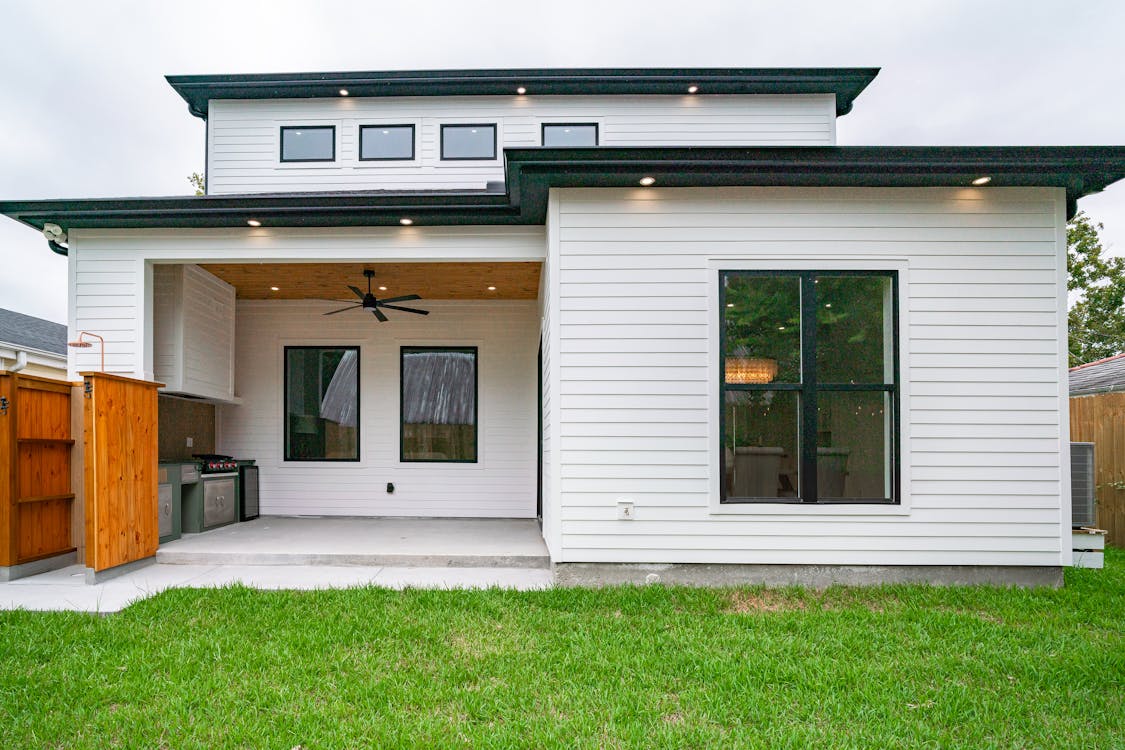

Heavy rain can turn a tidy lawn into a shallow lake fast, and homeowners often ask whether backyard drains are the answer. A good drainage setup can move water away from foundations and low spots, yet not every solution fits every plot.
In regions dealing with persistent water drainage issues in San Diego, understanding how local soil and seasonal rain patterns behave is often the first step before choosing any system.
Practical choices hinge on soil, slope, and how water enters the property, so a quick fix rarely sticks. It helps to know how drains function, what types exist, and what else is needed to keep groundwater in check.
How Backyard Drains Work
A backyard drain collects surface water and channels it to a safer outlet where it will not pool next to structures. Water runs by gravity through a pipe or stone trench after entering a grate or catch basin at low points.
Proper flow requires a slight slope so liquid travels steadily instead of standing still and causing more trouble. The system moves water, not magic, so correct placement and connection count for a great deal.
Types Of Backyard Drains
Simple surface drains capture runoff from patios and lawns and feed it into a nearby storm sewer or yard outlet. French drains use a perforated pipe wrapped in rock to intercept both surface flow and shallow groundwater before it reaches the lawn.
Channel drains sit along edges of hardscape areas and are ideal for long, narrow runoff corridors such as drives and walkways. Each style matches certain needs, so the goal is to pair a type with the specific problem at hand.
Assessing Your Yard’s Water Problems
Start by watching the yard during and right after a heavy shower to see where water gathers and which spots dry out slowly. Test soil by digging a small hole and filling it with water to learn how fast liquid soaks away, which helps reveal if compacted clay is the culprit.
Take note of downspouts, hard surfaces, and neighboring slopes that can push extra flow onto your property. Mapping these details gives a clearer picture and prevents tackling the wrong symptom.
Where To Place Drains For Best Effect
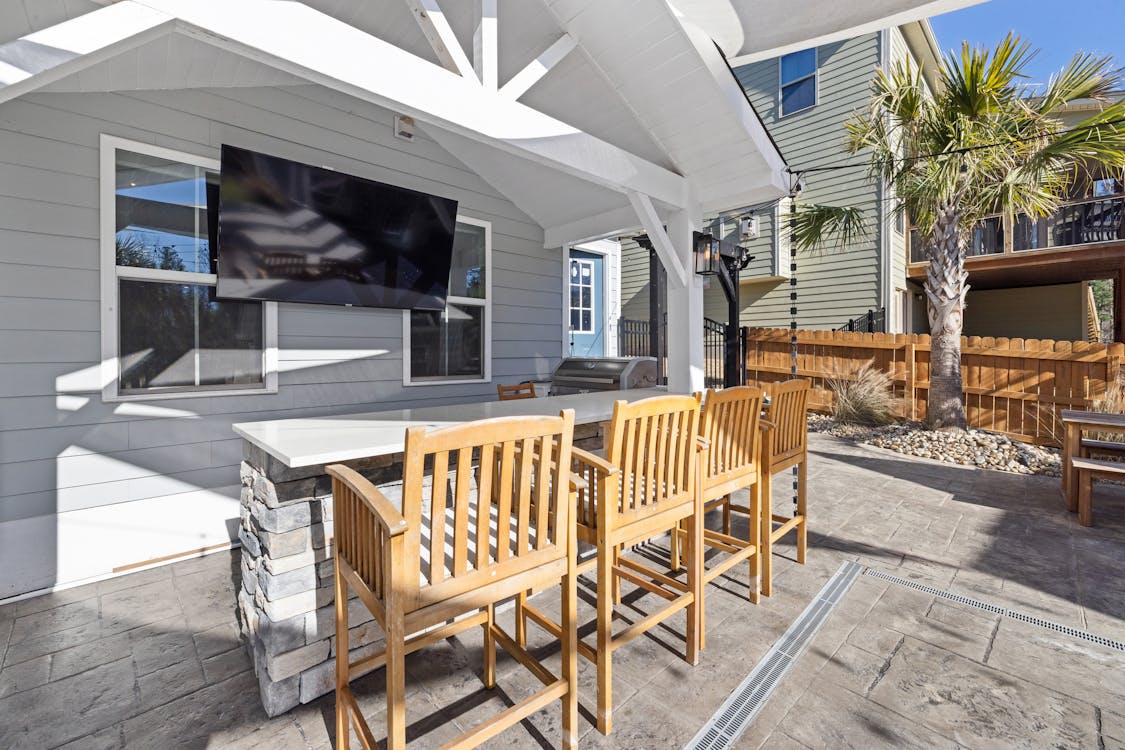
Place drains a little below the low spots where puddles form most often so water naturally heads toward them instead of spreading. Locate drain outlets far enough from home foundations to protect basements and crawl spaces, with at least a reasonable horizontal distance to reduce moisture migration.
Aim for a route that slopes gently to an approved discharge point such as a storm sewer, dry well, or vegetated area that can absorb water. Avoid running a drain uphill or forcing water into locations that will create new problems down the road.
Installation And Proper Sizing
Pipe diameter affects how much stormwater a system can handle, and undersized lines clog easily and back up during heavy events. Designers normally pick sizes based on roof area, pavement surface, and the expected intensity of rainfall so flow remains steady rather than turbulent.
Use gravel and fabric where indicated to keep soil out of perforated pipe and to maintain long term function without frequent cleaning. A careful install protects landscape features and keeps utility lines safe when digging takes place.
Maintenance And Common Failures
Leaves, roots, and mud can block grates and pipes, which turns a drain into a pool maker instead of a fix. Regular inspection after storms and seasonal cleaning of catch basins keeps the system working and catches small problems before they enlarge.
Look for sags in pipe runs, broken fittings, or settling gravel that alters slope and reduces capacity. A little upkeep prevents many headaches and keeps water where you want it.
Complementary Solutions To Backyard Flooding
Grades that slope gently away from a house reduce pressure on any drain by directing initial flow outward rather than toward foundation walls. Dry wells, rain gardens, and permeable paving slow water down and give it time to sink into soil instead of racing across the surface.
Extending downspouts away from the foundation or tying them into a drain line prevents concentrated flows at the base of the home. Combining methods often produces better results than relying on a single device.
Common Mistakes Homeowners Make
Putting a drain in without checking where water will exit simply moves the problem and creates a neighborly headache or a wet patch somewhere else on the lot. Relying on surface fixes alone when groundwater is the issue leads to repeated failures and wasted effort.
Installing pipe with poor slope or compacting backfill too much can cut capacity and invite blockages. Planning three steps ahead avoids quick fixes that stop working after the next big storm.
When To Call A Professional
If water reaches a basement, undermines a patio, or creates safety issues, professional assessment helps to identify hidden drivers and liability concerns. Experts can model flow, recommend permits for public connection, and sketch a plan that meshes with local codes and neighboring properties.
A pro also has tools for deep inspection and can spot existing utility conflicts before digging begins. Bringing in experience early often saves money and grief later on.