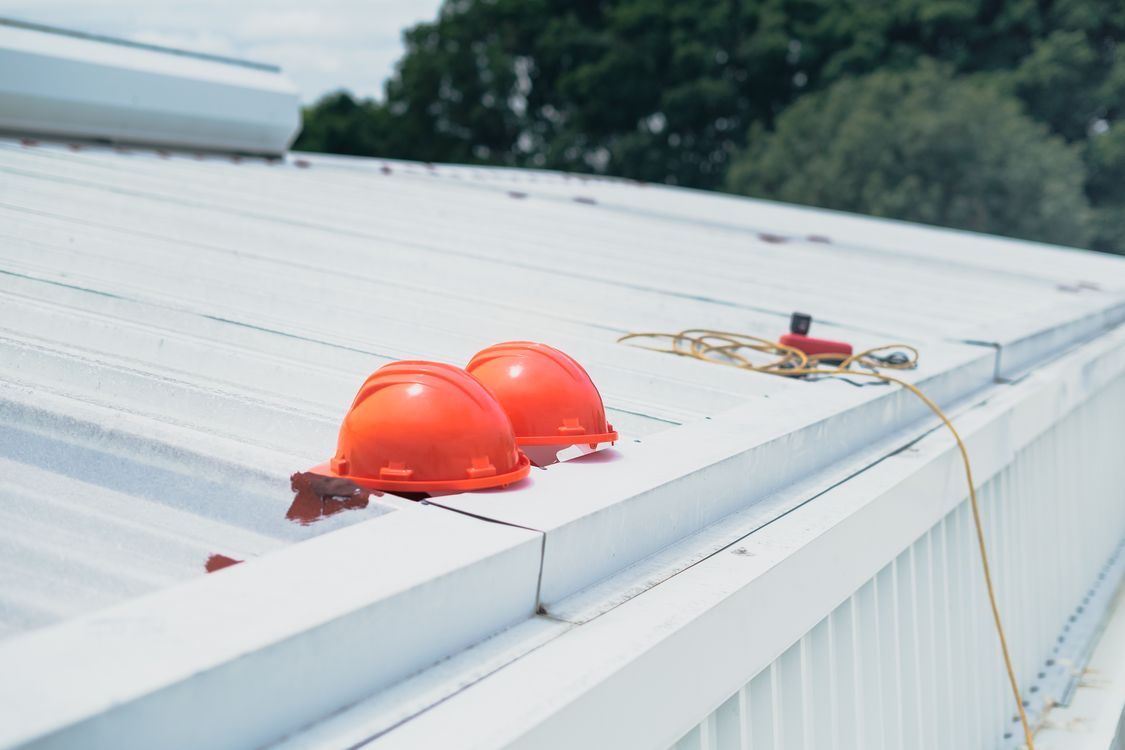

A homeowner in Mississauga getting quotes for a new roof would be forgiven for not connecting the number to a trade fight between Ottawa and Washington. But the two are linked, and the link runs straight through the steel and aluminum that make up a metal roof.
It is a useful thing to understand, because it explains why estimates have moved, why they expire faster than they used to, and why the cheapest quote on the pile is not always the one that will actually hold. The pressure is real, but it is also navigable with a little knowledge.
Why Canada is so exposed
Canada is the single largest supplier of steel and aluminum to the United States, which makes the cross-border metals relationship unusually tight. When the U.S. imposed a 25% tariff on steel imports and later broadened and deepened the measures, the disruption reverberated back through Canadian producers and pricing.
The result is that even a fully domestic purchase, like roofing material bought and installed in Peel Region, gets priced against a continental market in turmoil. There is no purely local price for steel or aluminum; the homeowner in Mississauga and the contractor in Texas are drawing from the same disrupted pool.
How it reaches the quote
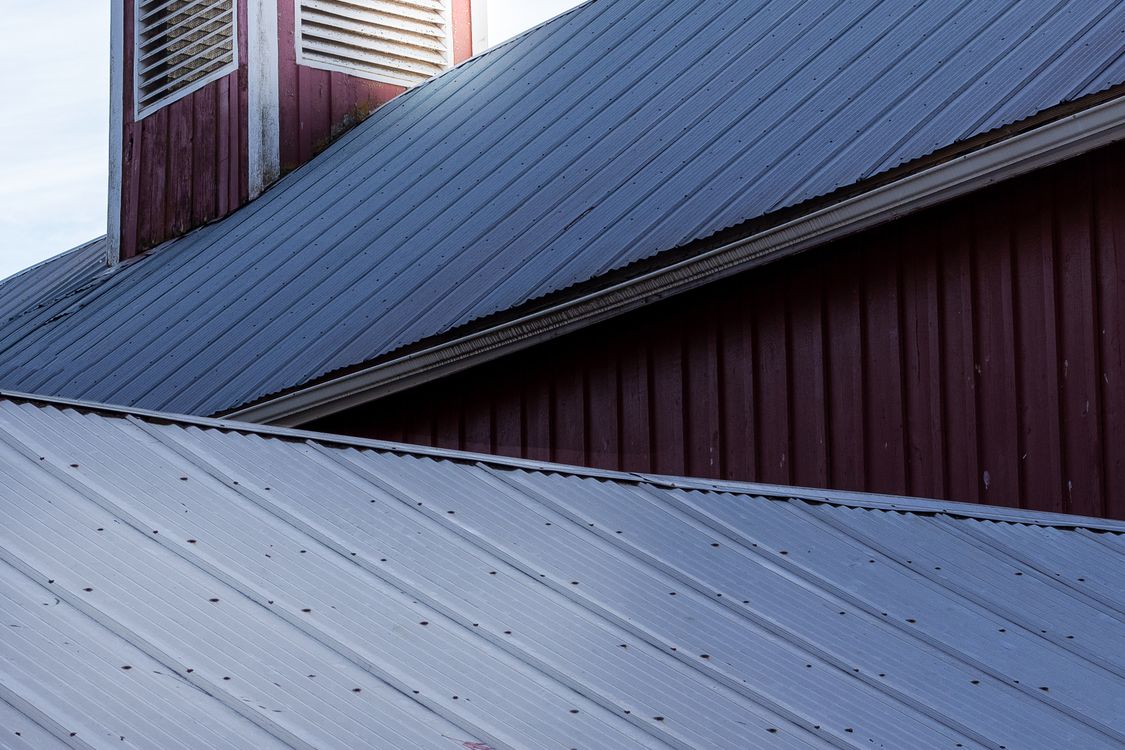
Metal roofing is almost entirely steel and aluminum, from the panels down through the fasteners, clips, and flashing. When the base metals get more expensive and harder to forecast, the contractor’s material cost rises and the quote rises with it. Nothing about the roof itself changed; the commodity underneath it did.
It also changes how quotes behave. Suppliers tighten their pricing windows when replacement cost is uncertain, so a Mississauga homeowner may find an estimate is valid for a shorter period than it once was. A number good for sixty days becomes a number good for two weeks, because the contractor cannot promise what they cannot predict.
Why the installer still matters most
In a volatile materials market, the firm you hire matters more, not less. An established company with real supplier relationships and some buying power can hold a price more confidently and source material more reliably than a one-truck operation buying job to job at whatever the daily rate happens to be.
That reliability is part of why the choice of installer matters more in a volatile market, not less. The firms with established supplier relationships are simply better positioned to ride out price swings without passing every shock straight to the customer, which is hard to say of an outfit buying at the daily rate.
What it means for the decision
None of this makes metal a bad choice. Its lifespan, durability, and performance in a freeze-thaw climate still anchor the long-term case, especially for a homeowner planning to stay put through several shingle cycles. The first cheque is larger; the lifetime math is unchanged.
What the tariff era does change is the value of timing and transparency. A roofer who can explain how trade policy is moving the numbers, who specifies the exact metal system and gauge so nothing gets quietly substituted, and who quotes the whole job in writing, is worth more in this market than one who simply hands over a figure and a smile. In an unpredictable market, clarity is the feature to shop for.