

A waffle maker can lift weekday mornings and make weekend brunch feel special without a fuss. Choices range from compact models that sit in a cabinet to robust irons that double as a statement on the counter, and a few simple tests will reveal what suits your routine.
Think about who will use it, how often it will be put to work, and what sort of waffles you like most before you spend cash. With a clear head and a few practical checks, picking the right model becomes less guesswork and more a measured step toward better breakfasts.
Know Your Space And Needs
Start by taking stock of the area where the machine will live, because size matters when counter real estate is limited. If you have a tiny kitchen, a slim unit that tucks away or folds flat will earn points for clever design and daily friendliness.
If you entertain or feed a family, a larger plate that pours out two or four waffles at once will make life easier and keep the hot plates busy. Think about storage, frequency of use, and whether the device needs to be portable so chores do not feel like a tug of war.
Choose The Waffle Type You Prefer
Different irons make different shapes and textures, so match the pattern to your taste and recipe habits. Some plates press deep pockets that cradle syrup and butter, while Belgian styles tend to be thicker and fluffier, giving a dinner plate kind of presence.
If you like a crisp edge and a soft interior, pick a model known for steady, even browning rather than one that screams hot then goes cold. A quick trial or reading user notes can reveal whether a unit hits the sweet spot between crust and crumb.
Check Heating And Temperature Control
Look for consistent heat across the entire plate, because uneven warmth produces a patchwork of undercooked and overdone sections. Adjustable temperature knobs or stepped settings help when you switch from classic batter to a batter with fruit or chocolate chips that needs gentler treatment.
Heaters that reach setpoint and stay there reduce guesswork and shorten cooking times, making breakfast less of a waiting game. Unlike cheaper irons, commercial waffle makers are built to hold set temperatures under heavy demand, which is why they’re favored in high-volume kitchens.
Plate Design And Surface Finish
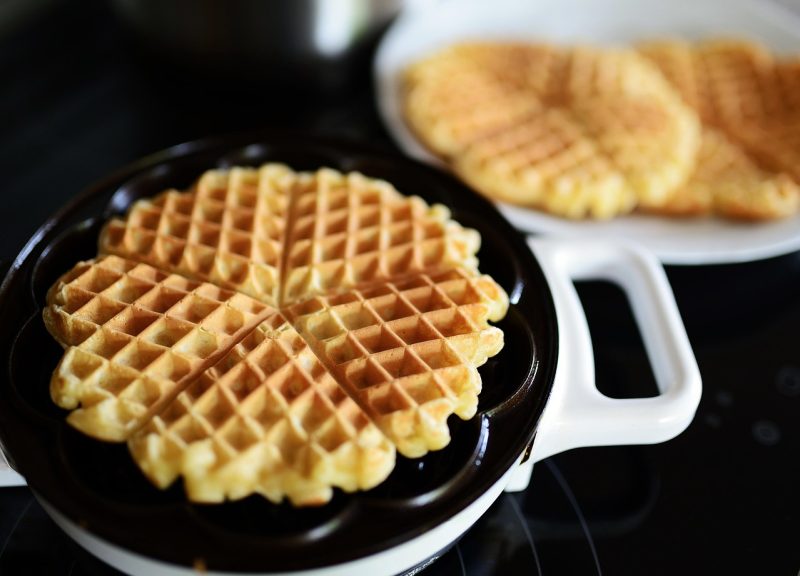
Plate layout affects both the final product and the clean up, so examine pattern depth and the finish of the cooking surfaces. Smooth coated plates make wiping off batter residues easier after each use while textured plates might need a soft brush to get into the grooves.
Removable plates offer a near dishwasher style of convenience and free you from awkward scrubbing, though the locking and alignment must be robust to survive repeated cycles. The relationship between plate design and batter release can be the difference between a parade of perfect waffles and a handful of sad scraps.
Size Capacity And Serving Frequency
Think about portion goals and how many mouths you feed when breakfast time rolls around, because batch size affects time and mood. A single plate maker is fine for one or two, but families often prefer multiple waffle wells to reduce waiting and keep the warm plates moving.
Also weigh the trade off between footprint and throughput, given large capacity models take more space but cut down on standing at the stove. Predicting typical use helps you avoid impulse buys that sit unused after the novelty wears off.
Cleaning And Maintenance Ease
A machine that is easy to clean will get used more, plain and simple, and that matters more than bells and whistles. Look for drip channels that catch run off, smooth surfaces that wipe clean, and plates that release batter without a wrestling match at wash time.
Removable plates and a housing that tolerates a damp cloth shorten the chore list and reduce excuses to skip a weekend cookout. A little time spent vetting the clean up pays back in frequent use and fewer late night scrubbing sessions.
Build Quality And Safety Features
Weight, hinge strength, and the feel of knobs tell you a lot about how long a unit will last, because flimsy bits often fail just when you need them most. Safety features such as cool touch handles and secure lid locks cut the risk of burned fingers and flying batter in a hurry.
Rubber feet or a stable base prevent slips while you pour batter and flip the lid, and a solid cord wrap keeps the counter tidy when not in use. A well made appliance behaves predictably and becomes the sort of tool that stays in the kitchen rather than the back of the cupboard.
Energy Use And Efficiency
Power draw influences how fast a machine heats and how it affects your energy consumption over time, and that translates into real bills after a year of weekend use. Higher wattage often means quicker starts and crisper edges but also a stronger pull on your circuit when other appliances run at the same time.
Look at heat retention and how fast plates recover between batches because a unit that bounces back quickly will serve up more waffles with less wasted power. Practical efficiency combines wattage, control, and design to create a machine that works hard only when it needs to.
Extra Features Worth The Cost
Some models pack timers, indicator lights, and audible cues that remove guesswork and free you to pour coffee while the waffles cook.
Fancy plates for stuffed waffles or interchangeable grids expand the menu without the need for an extra gadget, and those extras can be real time savers on busy mornings.
Resist chasing every shiny add on unless it meets a clear need in your routine, since bells without purpose add clutter to your life and the counter. A measured pick keeps useful features and tosses the rest back on the shelf.
Budget Planning And Long Term Value
Set a spending limit that reflects how often the device will be used and the level of durability you demand, because a cheap impulse purchase may cost more in the long run. Think in terms of cost per use to see whether a mid range model that lasts several seasons outperforms a low end unit that weighs out after one winter.
Warranty length and brand reputation often reveal whether the maker stands behind the product, which brings peace of mind when faults surface. Shop with a checklist and a clear idea of needs so the money you spend buys practical value rather than a short lived thrill.