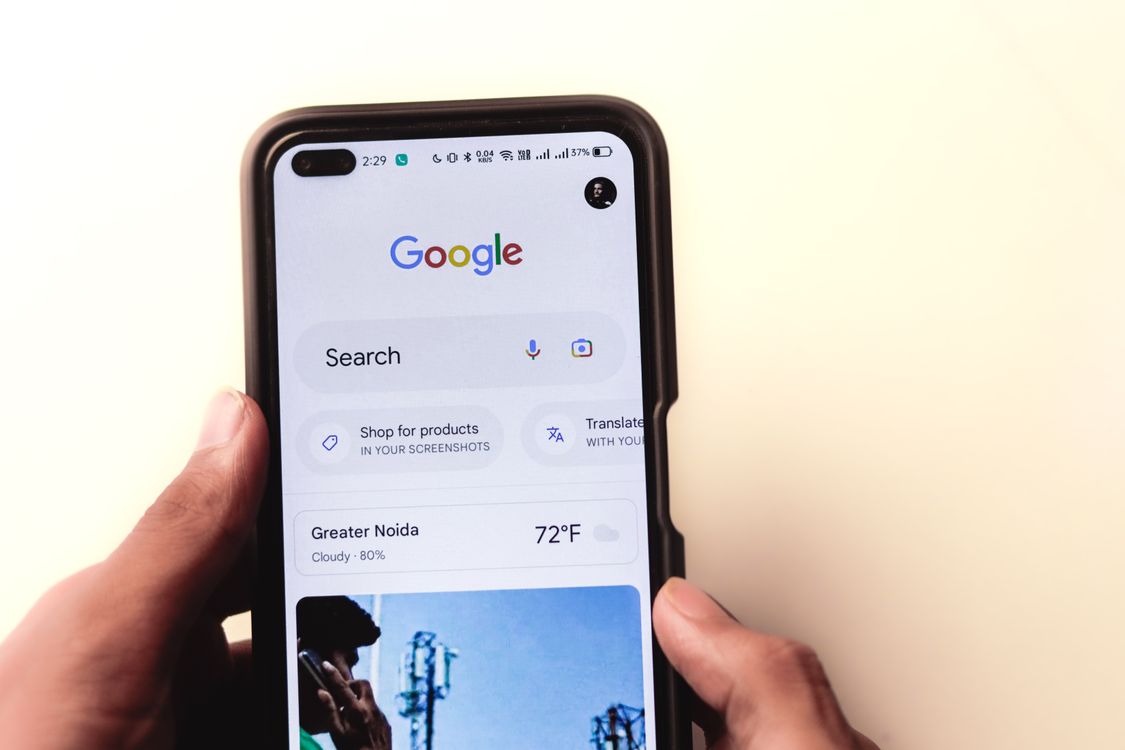

A Google ad can appear inside an AI-generated search summary in Australia, but its advertiser can’t see a separate performance breakdown for that placement. Google confirms Australian availability on desktop and mobile and says advertisers don’t get segmented reporting for ads within AI Overviews.
The ad is eligible; its individual contribution remains buried in broader results. A business can see a campaign improve without being able to establish whether the ads inside those summaries helped.
The limitation applies whether a business runs its own account or pays for Google Ads management in Melbourne. A provider can report spending and enquiries across a campaign, but attributing those enquiries specifically to ads inside AI Overviews requires data Google doesn’t supply. A more detailed agency report can’t make that missing breakdown appear.
A question about a green pool can produce an equipment ad
Google’s documentation uses a pool-cleaning question to explain the format. An AI Overview can discuss maintenance and create a context for an equipment advertisement, even when the user hasn’t directly searched for a product to buy.
Google considers both the query and the generated answer when matching eligible text and Shopping ads from existing campaigns. The advertiser can enter the conversation while someone is investigating a problem, before that person runs a separate product search.
That is a different moment from an explicit request to book a service. Someone reading about a problem may want instructions, equipment or a professional to handle it. An ad’s appearance establishes that the system found a match, not that the reader has chosen which of those options to pursue.
Advertisers can’t target only AI Overview placements or opt out of them. Google reports them as top ads. Exposure can therefore become part of existing eligible activity without an owner being able to assign it an isolated budget and inspect the resulting sales.
The purchase also differs from a controlled test. If a campaign’s landing page, targeting and distribution change together, a higher enquiry count reflects the combined result. An agency would need additional evidence to credit one of those changes, however appealing the explanation sounds.
US research finds generated answers on more buying-related searches

Semrush’s study, published on 21 October, followed 400 commercial keywords in US desktop search results between September 2025 and August 2026. The panel covered banking, ecommerce and software, including searches about alternatives, prices, reviews and comparisons.
AI Overview coverage increased from 45.75% to 88% across the panel. All five groups of search modifiers finished above 80%, with particularly high coverage for searches asking for the “best” option for a purpose.
These weren’t Melbourne trade searches. And the study measured the appearance of an AI Overview, not an advertisement inside it. Its findings show the spread of generated answers through a selected set of commercial queries; they don’t establish an Australian ad-placement rate.
The selected searches are still recognisable buying decisions. Someone comparing two software products or checking a price may encounter Google’s summary before reading a supplier’s page. The summary can affect which options deserve a closer look, even if no sale happens during that visit.
Google is also testing ways to put advertisements into the explanation itself. At Google Marketing Live in May, it announced Conversational Discovery ads and Highlighted Answers in AI Mode, alongside plans for AI-powered Shopping ads and Business Agent for Leads.
The proposed lead agent lets users ask questions through an advertisement instead of completing a static form. The Shopping format uses Gemini to explain why a product may suit a search. These announcements concern separate formats, with their own availability, rather than a single Australian launch.
For an advertiser, each format changes what the customer can do before reaching the website. A question answered in an ad may remove a reason to call, or help a suitable customer decide to enquire. The number of website visits alone won’t distinguish those outcomes.
Sales records can improve attribution, but the placement stays hidden
Google offers enhanced conversions for leads to connect later customer outcomes with advertising. Its documentation recommends qualified-lead or converted-lead goals, using first-party customer information to improve attribution to ad interactions.
A business can then distinguish a form submission from a qualified quote request or completed booking, provided its website and customer records are connected correctly. That gives the campaign a more useful outcome to measure than a count of people who pressed “submit”.
The missing placement report stays missing. Knowing which campaign supported a booking doesn’t reveal whether its ad appeared inside an AI Overview. More complete sales data improves one part of the account without solving that separate reporting problem.
It is possible for enquiry quality to improve while enquiry volume falls. For example, clearer service information may deter people whose jobs the business doesn’t accept. A lower submission count would then need to be read beside qualified enquiries and completed work.
The reverse is possible too: a campaign can generate more contact without producing more customers. If an agency credits that increase to a new AI format, the owner still needs to know what the enquiries requested and whether the business could serve them.
Timing makes the comparison harder. Someone who enquires this week might accept a quote next month, while this month’s completed jobs originated under earlier campaign settings. Comparing those counts as though they came from the same group can distort the apparent result.
A campaign review can record those delays and the dates of targeting or website changes. Until Google releases the separate breakdown, it can’t put a verified figure against sales generated specifically by ads inside AI Overviews.

