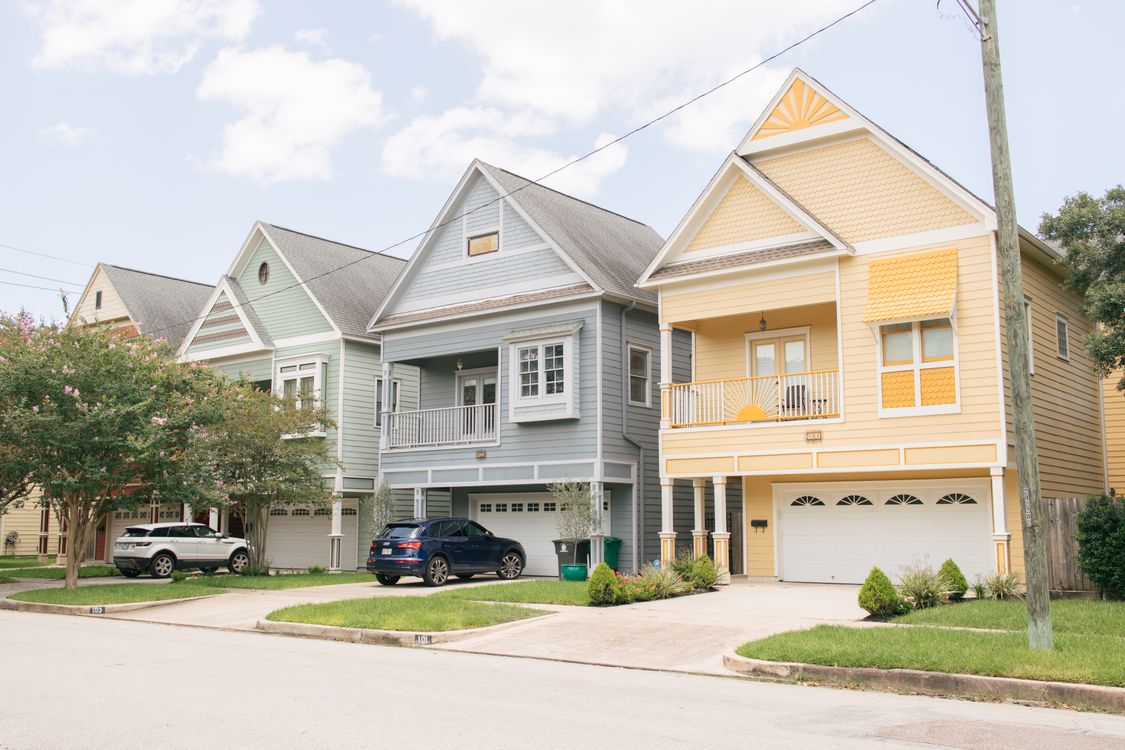

It is easy to talk about Austin’s growth in the language of cranes and apartment towers, because that is the part you can see from the highway. The harder part to picture is quieter and slower. Every one of those homes has a roof, and every one of those roofs is now aging on more or less the same clock.
That is the story that does not make the skyline photos. A building boom is also an Austin roofing boom, just delayed by fifteen or twenty years.
A Decade of Building, All Aging on the Same Clock
The scale here is genuinely unusual. Between 2015 and 2024 the city added 120,000 homes to its housing stock, an increase of roughly thirty percent, more than three times the national rate over the same stretch. The surrounding suburbs added even more.
A huge share of that construction leaned on standard asphalt shingles, which is the normal economic choice for builders working at volume. Those shingles carry a real-world lifespan that in the Central Texas climate often runs shorter than the number printed on the warranty.
Do the arithmetic and a pattern appears. A wave of homes built in the late 2000s and early 2010s is entering the window where first roofs start failing, and the enormous 2015-to-2024 cohort is lining up right behind it.
New Roofs Are Not the Same as No Roofing Needs
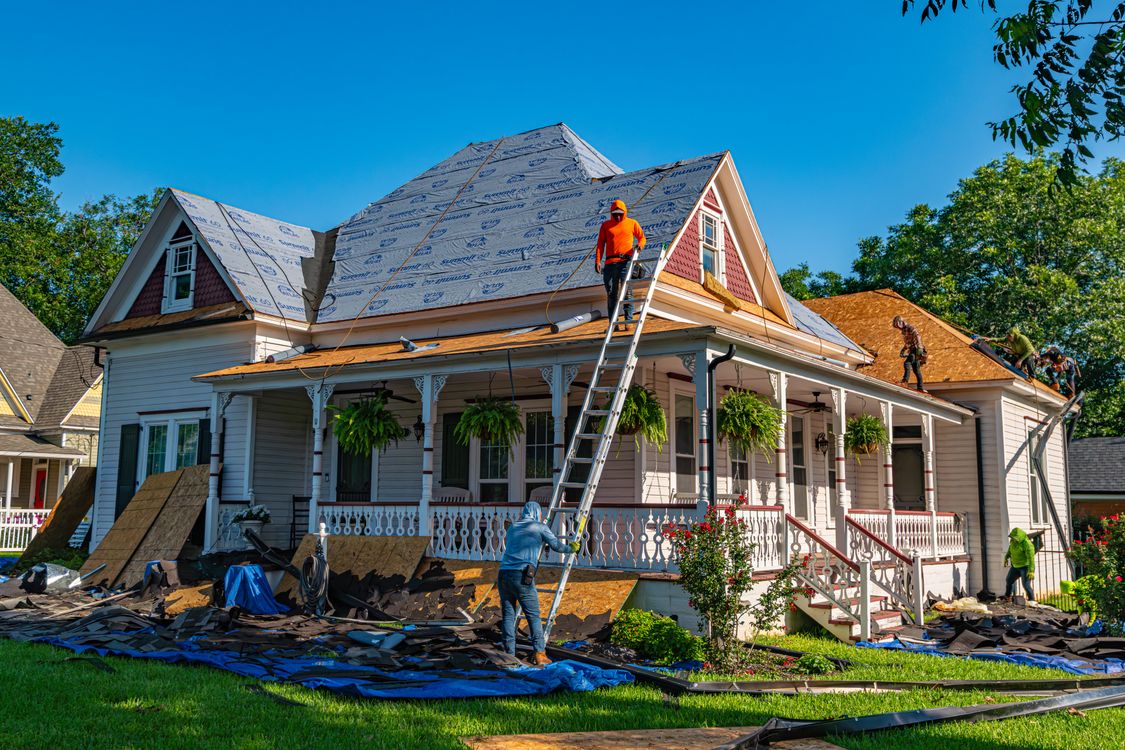
There is a comforting assumption that newer housing means fewer roofing problems. It does, briefly. A roof installed in 2019 is not going to need replacement in 2026 under normal conditions.
But normal conditions are not what Central Texas offers. Hail, wind-driven rain, and relentless summer heat all shorten the gap between installation and the first serious repair. A five-year-old roof that took a golf-ball hail hit is a candidate for a claim today, not in a decade.
Volume also changes the nature of the demand. When a metro adds housing this fast, it is not spreading roof-age evenly across a century of construction. It is stacking hundreds of thousands of roofs into a narrow band of installation dates, which means the repair-and-replacement wave arrives in a narrow band too.
What a Saturated Market Does to Homeowners
For a homeowner, the practical consequence is competition for good crews. When demand spikes in a compressed window, the reputable, established companies book out, and the gap gets filled by operators who showed up for the surge and will leave after it.
That dynamic rewards planning. The owners who fare best are the ones who know roughly how old their roof is, who have it inspected before a failure forces an emergency, and who build a relationship with a contractor before they are desperate. The worst outcomes cluster among people making a panic decision in a saturated market.
Austin’s growth has been described endlessly as a housing story and an affordability story. It is also, sitting quietly on top of all those new addresses, a roofing story. The bill for a decade of building does not arrive all at once, but it does arrive, and the smart money treats that as a certainty rather than a surprise.