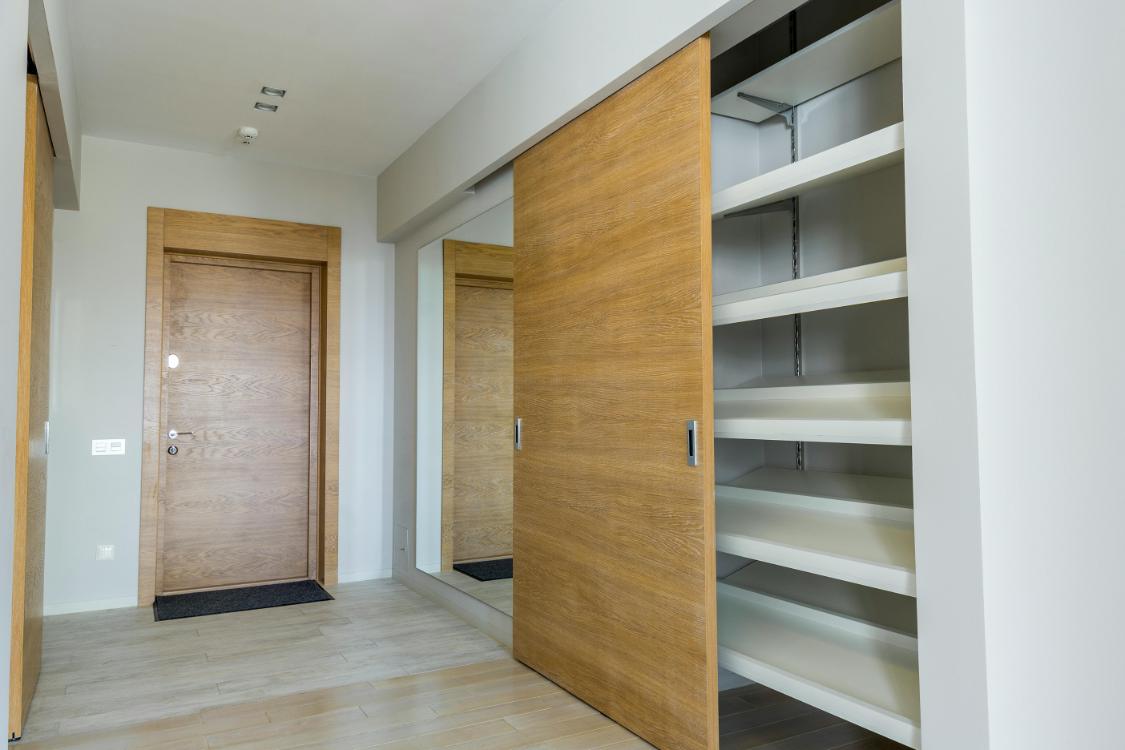

Sliding wardrobe doors are a popular choice for bedrooms and hallways where space is tight and appearance matters. They slide along a track and remove the need for a swing arc that takes up floor room.
People often ask whether that simple swap actually improves storage capacity and everyday use. The paragraphs that follow examine effects and trade offs to help you make a clear choice.
Space Efficiency And Floor Area
Sliding doors save clearance space that would otherwise be needed for a hinged panel to open outward. That freed up floor area can be used for a bedside table or a narrow bench that fits like a glove against a wall.
The interior shelf depth stays similar between styles, so the real gain is in the room rather than inside the cupboard. In tight flats and compact bedrooms the extra usable square footage can change how furniture gets arranged.
Access And Visibility
A single sliding panel only reveals part of the wardrobe at once which can limit visibility of stored items. Panels that overlap or roll behind each other create wider access when more panels are included in the design.
When you want to see everything at a glance a hinged set of doors gives full exposure, though that takes more free space in front. Thoughtful layout of shelves and hanging rails helps reduce the need to rummage.
Internal Organization Options
Sliding systems work well with modular inserts like pull out drawers, wire baskets and vertical shelving that can be accessed through the partial opening. The use of pocket rails and divided sections keeps smaller items from getting lost at the back.
For homeowners who want both style and order, modern sliding wardrobe doors often make it easier to combine good looks with smart interior storage modules.
A rule of thumb is to place frequently used garments and accessories in the panels that open first. Good layout choices turn a sliding wardrobe into a tidy system rather than a cluttered catchall.
Installation And Structural Needs
Tracks must be level and secure so rollers glide smoothly and panels do not bind or jump out of place. Thick panels and heavy mirrors need more robust fixing points and sometimes reinforcement of the wall or ceiling.
When alignment is off sliding doors will snag and that creates extra wear on rollers and tracks over time. A careful fit at the start often saves shop visits and spare parts later on.
Material Choices And Durability
Aluminum frames with glass or timber panels are common and light enough to reduce strain on rollers while looking neat. Solid timber and heavy glass add visual weight and a sense of quality but they push moving parts harder and increase long term wear.
MDF and plywood work for painted finishes and can be more forgiving if a door takes a knock. Pay attention to edge sealing and runner quality since those two things influence how long a system will remain trouble free.
Mirrored Sliding Doors For Light And Perception
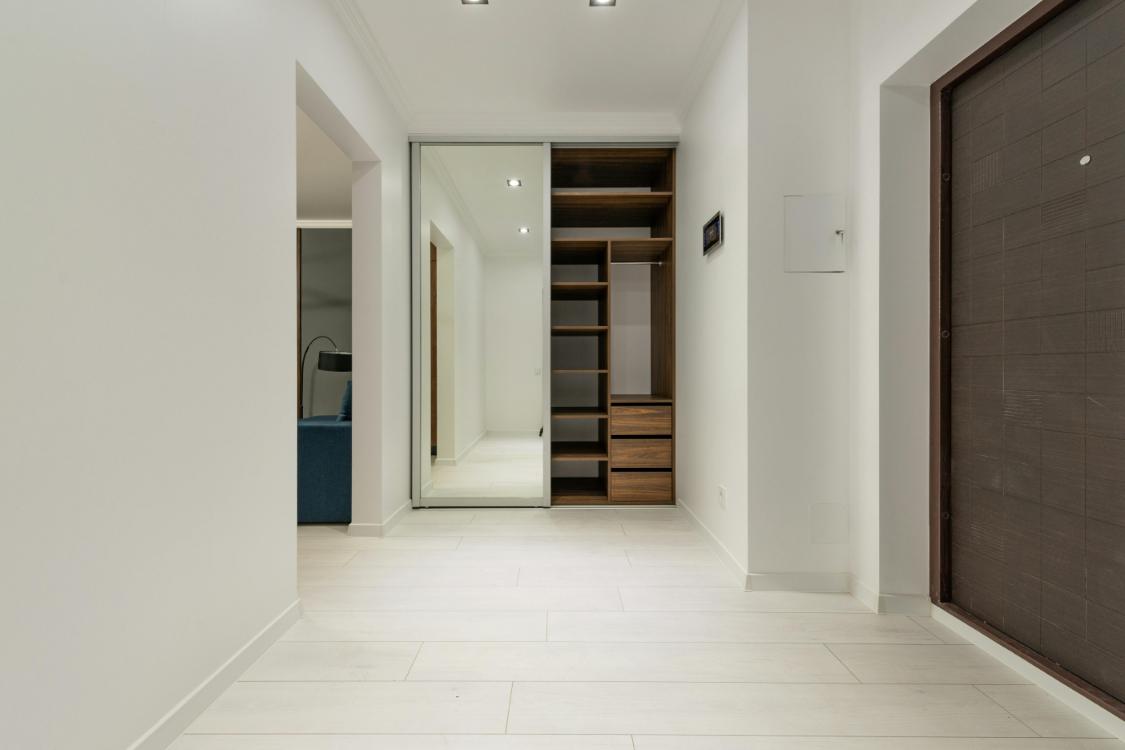
Mirrors on sliding doors can make a small room feel bigger and bounce light around the space in a way that brightens dull corners. They kill two birds with one stone when you want a full length reflection without an extra freestanding mirror taking up room.
Keep in mind that mirror glass shows fingerprints and can add a fair bit of weight to the panel. If you live where humidity is common choose fittings that resist corrosion and keep seals tight.
Maintenance And Longevity
Tracks should be kept clear of dust and small debris so rollers do not catch and teeth do not grind. Lubrication and periodic tightening of fixings will extend life and reduce click and clack sounds that creep in over time.
If a roller becomes worn it is often possible to replace that single part rather than swap the whole door which is kinder on the wallet. Regular checks turn a potential drama of an off track door into a small, fixable hiccup.
Safety And Noise Considerations
Sliding panels that are heavy or fitted with untreated edges pose pinch risks for curious hands and restless toddlers. Tempered glass and rounded edges lower the risk, and soft close mechanisms reduce slamming and that unwanted jolt to frames.
Noise is usually less of an issue than with lightweight hinged doors that bang in a breeze, yet poor tracks will squeak and rattle if ignored. Choose locks or magnetic catches where security and calm are priorities.
Cost Comparison With Hinged Doors
Sliding doors can be cheaper in ready made variants where standard widths and simple frames are available off the shelf. Custom widths or specialty finishes push the price up and add to installation complexity.
Hinged doors can require less precise track work but need more clearance and so that free space is a real cost in small rooms. Think about long term repairs and replacement parts as part of the price not simply the initial sticker.