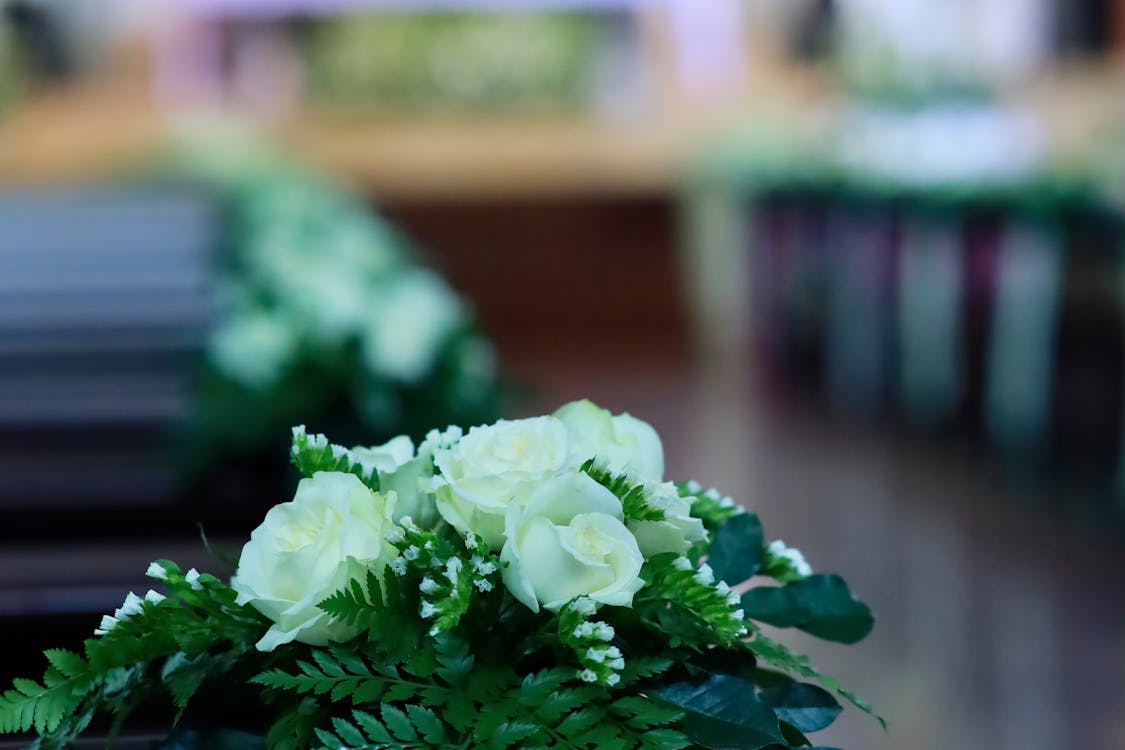

Weddings can be joyous and costly at the same time, and floral bills often climb faster than anyone expects. With a little planning and smart choices couples can rein in that number while keeping arrangements that look thoughtful and fresh.
These ideas focus on practical moves that balance cost with style so you do not have to trade beauty for budget.
1. Choose Seasonal And Local Flowers
Flowers that are in season and grown nearby tend to be less expensive and arrive in better condition than items shipped long distances. Local growers often have surplus stems that are well priced and a florist who works with local stock can build attractive arrangements for less.
If you are browsing inspiration for wedding decor suggestions in Toronto, you will often notice how seasonal, locally sourced blooms are used to create stylish setups without inflating costs.
Choosing blooms that pair well in color and form reduces the need for rare varieties and lowers labor charges because the florist can repeat similar work. Buy what is abundant and let the abundance speak for itself, as less fuss often yields a cleaner and more modern look.
Many couples pick a single strong color palette and allow seasonal variations to supply texture and depth without extra cost. When you work within a palette, swapping a costly bloom for a common cousin will keep visual impact while shrinking the tab.
Florists appreciate clear direction and will offer substitutions that save money without compromising the overall feel of the wedding. The result feels cohesive and smart rather than patched together, and guests will notice the style rather than the price.
2. Reuse And Repurpose Arrangements
Plan the flow of arrangements so items serve more than one role during the day, and you will make a small stock of flowers stretch far. Ceremony aisle flowers can become reception table accents with a little creative moving, and the altar spray can be pared down into centerpieces for evening service.
Transport and reuse cut down on total stems and lower the number of distinct arrangements a florist must build, which reduces labor cost. Keep the changes simple and efficient to avoid creating a logistical headache on a busy day.
Ask your venue and florist about repurposing logistics early, and map how designs will travel from space to space. A brief diagram or photo sequence can save time and remove guesswork for helpers who will shuffle pieces in between events.
Try to design with common vessels that work for multiple placements, so a single aesthetic carries through and waste is minimized. With a plan like that you get more mileage from fewer flowers and the overall effect feels intentional and polished.
3. Mix In Greenery And Budget Blooms
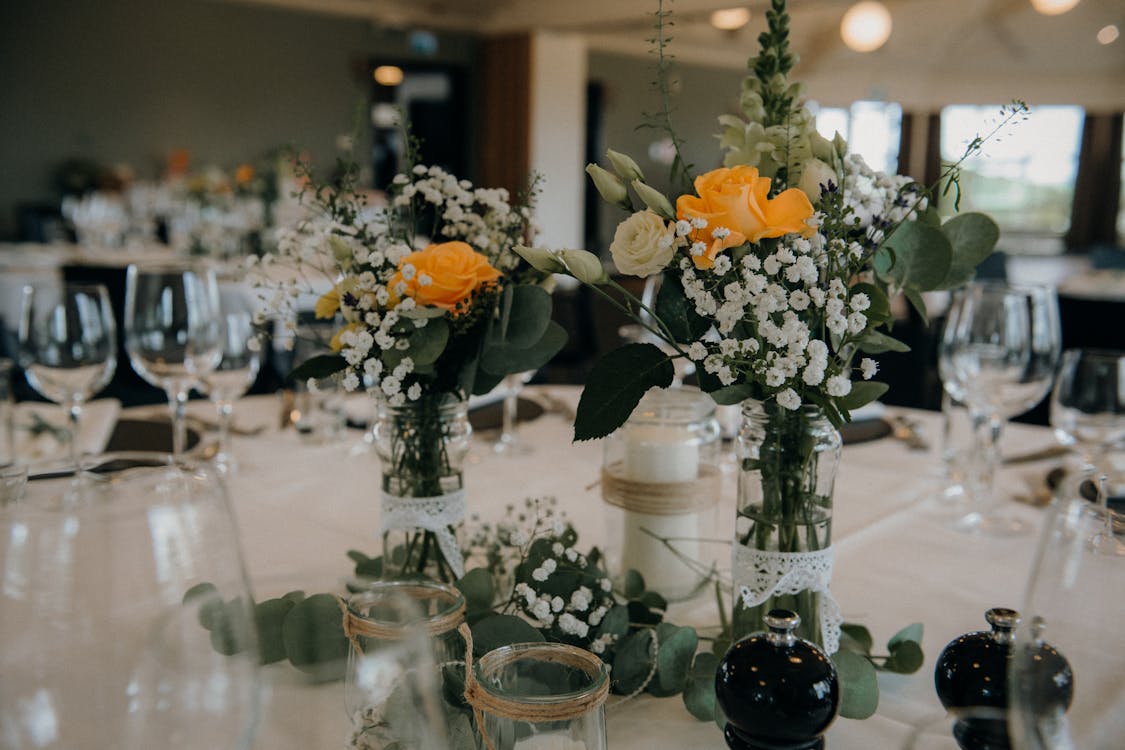
Greenery often costs far less than focal blossoms and it adds volume and movement when used well, so plan displays that lean on foliage. Fillers and modest blooms can be combined with a few standout stems to create richness without a steep price.
Varieties like eucalyptus, fern fronds and simple foliage provide a lush base that lets smaller or less expensive flowers pop. Embrace a look where texture and shape matter more than rare petals, and you will find that the eye fills gaps that the budget does not.
Smaller blooms such as spray roses, seasonal daisies and carnations are reliable workhorses that respond well to color treatments and trimming. When paired with abundant greenery these flowers become part of a composed whole rather than screaming for attention on their own.
A florist can often substitute in these stems when asked to keep costs low, and those swaps will not feel cheap if the overall design is strong. Think of the arrangement as a team where every member plays a role rather than a set of soloists demanding center stage.
4. Buy From Wholesale And Farmers Markets
Going direct to growers or purchasing at a wholesale market can result in substantial savings for couples who are willing to handle a little of the work. Vendors at farmers markets sell fresh stems at retail friendly prices and wholesale houses offer better rates when buying in bulk.
If you plan ahead you can coordinate pickup times and basic prep so stems arrive in good shape and do not add handling fees. Working directly with sellers builds rapport and can lead to helpful tips about storage and timing that keep waste down.
Make sure you know how to store and hydrate flowers properly once they leave the seller to avoid loss and extra cost. A short lesson in trimming, water temperature and flower food pays off by preserving stems for several more days.
If you are assembling yourself arrange a small team for the day before and have clear tasks to speed the process. A little structure and a handful of helpers will turn bulk buying from a chore into a clear savings strategy.
5. Do It Yourself With Help From Friends And Family
Taking on some or all floral work yourself saves money when you have reliable helpers who enjoy hands on tasks, and the results can feel very personal for everyone involved. Simple bouquets and centerpieces are achievable with basic tools, a few online tutorials and a bit of practice the week before the event.
Recruit a friend who has patience and an eye and assign roles so the work moves quickly rather than turning into an all night scramble. When you spread tasks across willing people the job shrinks and the vibe stays friendly and fun.
Potted plants and simple containers can double as decor and favors, offering a cost effective and sustainable alternative to cut arrangements that must be discarded. Thrift shops, rental services and recycled jars often provide vessels that add charm without adding major expense.
Combine a handful of purchased focal stems with potted green items to build balance and keep the count of cut flowers low. The end result reads intentional and intimate, and guests can take living pieces home, which extends the value of each dollar spent.