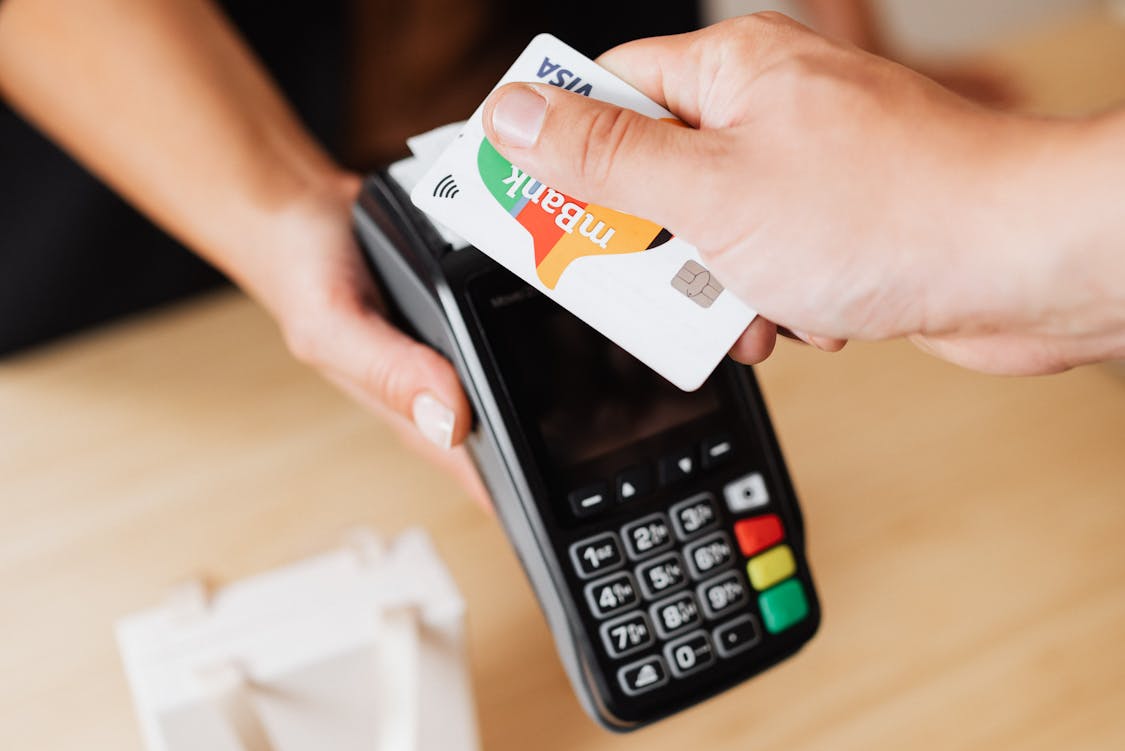

Every day our wallets and bags carry more tiny radios than we often realize, and that adds a quiet risk to routine trips and errands. An RFID blocking device creates a simple barrier between those chips and anyone who would scan them without permission.
When used as a habit, such a shield can change how safe a person feels while walking through crowded places or waiting in line.
1. Protection From Electronic Theft
An RFID blocking device stops unauthorised readers from pulling data off contactless cards and identity tags, making electronic theft a tougher proposition for opportunists. When the signal is interrupted, thieves cannot harvest account numbers and expiration dates in a single covert sweep.
Daily use lowers the chance that a stranger with a reader will pick up enough information to try their luck. It is a low effort action that wards off a modern kind of pickpocketing.
Wearing or carrying a dedicated blocker keeps financial details out of easy reach, and that small barrier can save hours of hassle later on. Banks and card issuers will still do their part, but fewer fraudulent attempts means less time on calls and less stress overall.
The device works passively, so there is no extra step at checkout or when moving through transit hubs. It is protection that blends into the rhythm of daily life.
2. Preserving Personal Privacy
A personal item with a chip can broadcast identity markers to any compatible scanner that comes near, often without obvious consent or notification. Daily use of a blocking sleeve or wallet reduces the odds that an unknown reader will capture personal data while you are distracted.
That restraint on data collection supports a quieter form of privacy where information is not flicked about like loose change. People value private space, and this tool helps put a curtain around a few crucial details.
When privacy is preserved in small ways, the ripple effect touches other choices about data and sharing. Fewer scanned items means fewer traces floating out there to be linked back to routines, addresses, or frequent stops.
The practice of shielding items encourages a mindset where personal boundaries in the digital domain are considered normal. Little actions often set larger habits.
3. Reducing Unwanted Tracking
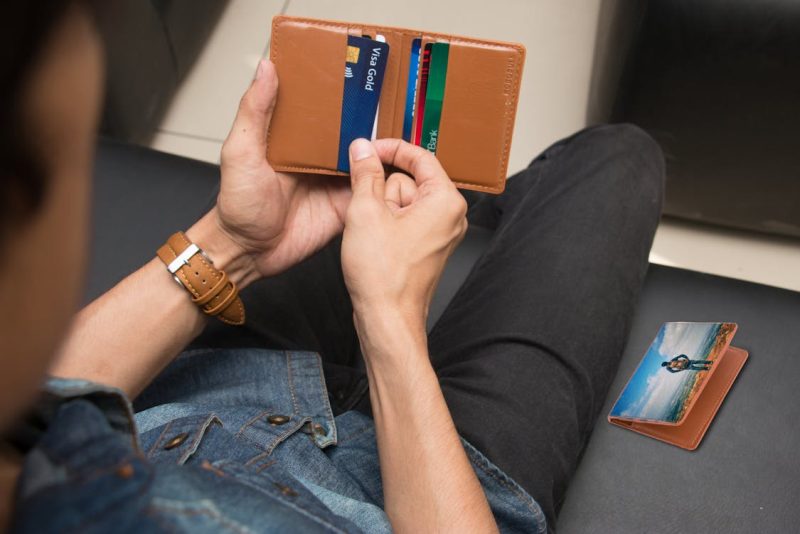
Some modern trackers use proximity based transmissions to map movement and habits across locations and times. A blocking device prevents a chip from replying to curious sensors that might be stationed in public spots or inside transport.
By limiting replies, the device makes basic tracking attempts much harder to carry out without a direct interaction. It is a pragmatic step that safeguards where you go and how often you pass certain places.
Consistent daily protection also makes pattern discovery a more expensive task for anyone trying to follow routines. If fewer chips respond in a predictable way, building a dossier of movements requires more effort and more intrusive methods.
That extra friction discourages casual trackers and raises the bar for anyone with ill intent. Small defensive moves stack up and push snooping out of the comfort zone.
4. Extending Card Lifespan
Repeated reading by scanners can contribute to wear on contactless chips and the thin antennas embedded in cards and tags. A blocking device reduces the number of times a chip is interrogated while sitting in a pocket or a bag, which can lower long term strain on the card components.
Less passive exposure equals fewer stress cycles on the tiny elements that make contactless payments work. That can mean fewer surprises when you reach for a card that suddenly fails at the payment terminal.
Protecting cards from random read attempts also cuts down on accidental activations that might otherwise confuse a machine or a person trying to pay. When the card behaves predictably, transactions move faster and the odds of a double read or an error drop.
The card holder avoids awkward moments at busy counters and keeps a smooth flow going during routine errands. Taking care of tools often saves time and annoyance later.
5. Convenience And Confidence
Carrying an RFID blocker is about more than a single defensive action; it is a convenience that removes a layer of worry from everyday tasks. Instead of glancing over shoulders or tucking a wallet away at every stop, a user can move with confidence because a silent barrier is doing the work.
For instance, understanding how Wallet Defender creates a 2.4-inch protection radius makes it easy to see why carrying a blocker allows users to move freely without constantly worrying about digital pickpockets.
That ease frees attention for the task at hand, whether that is paying a bill, showing an ID, or boarding a train. Less cognitive load means more room to handle real life without small distractions.
When confidence grows, people find they adopt other tidy habits that build security and calm. The device pairs well with simple routines like regular card audits and mindful bag management, which together create a neat safety net.
The mental benefit of knowing a measure is in place is not to be discounted, since peace of mind often shapes how freely someone engages in public spaces. Small tools, smart habits, and a steady rhythm of action add up to meaningful day to day comfort.